Microdose Mushrooms Guide: Benefits, Dosage & How Microdosing Works
Microdose mushrooms have become one of the most talked-about wellness practices for people seeking mental clarity, emotional balance, and improved focus—without experiencing a full psychedelic trip. This guide explains exactly what microdose mushrooms are, how microdosing works, potential benefits, dosage basics, safety considerations, and who microdosing may be right for.
If you’re new to the concept or looking to understand microdosing at a deeper level, this microdose mushrooms guide covers everything you need to know.
Microdose mushrooms refer to very small, sub-perceptual amounts of psilocybin mushrooms. Unlike recreational or high-dose use, microdosing is designed so the effects are subtle and do not interfere with daily activities.
A microdose is not intended to cause hallucinations or intoxication. Instead, it is used as part of a routine aimed at supporting mental wellness, productivity, creativity, and emotional balance.
Many people incorporate microdose mushrooms into their daily or weekly routines as a form of mindful self-care rather than a psychedelic experience.
How Microdosing Mushrooms Works
Microdosing works by introducing a very small amount of psilocybin into the body—typically well below the threshold that produces noticeable psychedelic effects.
At these low levels, psilocybin may interact with serotonin receptors in the brain in a more subtle way. This is why many users report changes in mood, focus, or mindset rather than intense sensory experiences.
The goal of microdosing mushrooms is consistency and balance, not intensity.
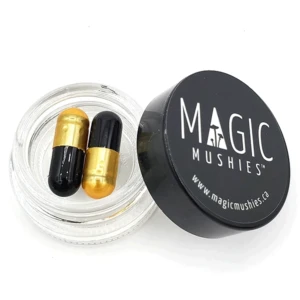
For many users, capsules are the preferred way to consume psilocybin because they offer precise dosing, consistency, and ease of use. Unlike dried mushrooms, capsules allow for controlled intake and predictable onset, making them ideal for both beginners and experienced microdosers. If you’re wondering about absorption time, dosage accuracy, and how the body processes capsules, it’s important to understand how mushroom capsules work before choosing your delivery method.
Potential Benefits of Microdose Mushrooms
While experiences vary from person to person, microdose mushrooms are commonly associated with the following potential benefits:
Improved focus and mental clarity
Enhanced creativity and problem-solving
Mood support and emotional balance
Reduced stress and mental fatigue
Increased motivation and mindfulness
Support for cognitive performance
Many people turn to microdosing mushrooms as part of a wellness routine rather than for recreational use.
Note: Research into microdosing is ongoing. Effects are subjective and may differ based on dosage, individual biology, and routine. While many people are curious about how microdosing works, others are more focused on why people choose to microdose in the first place. From mood balance and focus to creativity and long-term wellness routines, microdosing is often used for a wide range of reasons. If you want a deeper breakdown of real-world use cases, outcomes, and wellness-focused applications, explore our detailed guide on the Benefits of microdose mushrooms.
Microdose Mushroom Dosage Basics
A microdose is typically a very small fraction of a standard psychedelic dose. The exact amount can vary depending on the individual and the form used (capsules, dried mushrooms, etc.).
Most microdosing routines focus on:
Consistency is often considered more important than dose size. Many people prefer pre-measured formats, such as capsules, to ensure accuracy and repeatability.
👉 For exact amounts and personalized guidance, see our Microdose Dosage Guide.
Common Microdosing Schedules
There is no single “correct” microdosing schedule, but some commonly discussed approaches include:
1 day on / 2 days off
Every third day
5 days on / 2 days off
Break days are often included to prevent tolerance buildup and allow users to evaluate how they feel without dosing.
Who May Consider Psilocybin microdosing
Microdose mushrooms are commonly explored by adults who are interested in:
Mental wellness and balance
Creative or cognitive support
Mindfulness and personal growth
Structured wellness routines
Microdosing is not recommended for:
Individuals with certain mental health conditions without medical guidance
Those who are pregnant or breastfeeding
Anyone sensitive to psychoactive substances
Always approach microdosing responsibly and thoughtfully.
Safety, Tolerance & Responsible Use
Because microdose mushrooms involve psychoactive compounds, responsible use is essential.
General safety considerations include:
Avoiding daily use without breaks
Not increasing dosage too quickly
Paying attention to mental and emotional responses
Taking time off if unwanted effects occur
Tolerance can build over time, which is why structured schedules and breaks are often recommended.
Microdose Mushrooms vs Full Doses
It’s important to understand the difference between microdosing and traditional psychedelic use.
Microdose Mushrooms | Full Dose Mushrooms |
|---|
Sub-perceptual | Strong psychoactive effects |
No hallucinations | Visual & sensory changes |
Supports daily routine | Requires dedicated time & setting |
Focused on balance | Focused on experience |
Microdosing is about integration into everyday life, not intense altered states.
Microdose Mushrooms in Capsule Form
Many people prefer microdose mushrooms in capsule form for convenience and consistency. Capsules allow for:
Capsule formats are especially popular among those following structured microdosing schedules.
👉 Explore our Microdose Mushroom Capsules to see available options.
Final Thoughts on Microdose Mushrooms
Microdose mushrooms are not about escaping reality—they’re about engaging with it more clearly and intentionally. When used responsibly, microdosing may offer a gentle, supportive approach to mental wellness, creativity, and focus.
This guide serves as a foundation. From here, you can explore specific topics like benefits, dosage, schedules, and capsule options in more detail.